









How to Wear Statement Necklaces: A Modern Styling Guide
The Selenichast Styling Edit
From simple tees to evening dresses, the right statement necklace brings focus, color, and personality to an outfit—without making it feel overdone.
A statement necklace does not need a dramatic dress or a special invitation. It can give a white shirt a point of view, soften a structured blazer, or turn a familiar black dress into a completely different look.
This guide explains how to wear statement necklaces in a way that feels current, balanced, and personal. You will learn how shape works with different necklines, how length changes proportion, and how to style bolder pieces for casual and formal occasions.

What Is a Statement Necklace?
A statement necklace is designed to be a noticeable focal point rather than a quiet finishing detail. Its impact might come from scale, color, shape, texture, an unusual pendant, clustered elements, or a layered silhouette. It does not have to be heavy; even a lightweight floral design can make a clear visual statement.
The best statement necklaces express something about the wearer. Some feel playful and colorful; others are graphic, romantic, organic, or polished. What makes them work is intention: the necklace looks chosen as part of the outfit, not added at the last moment.
How to Wear a Statement Necklace Without Looking Overdone
Start by choosing one focal zone. If the necklace is large, bright, or highly detailed, give the neckline and upper body a little visual calm. This can mean a solid-colored top, a clean neckline, or simply fewer competing accessories near the face.
Balance does not require everything else to be plain. A necklace can work with patterned clothing when there is a connection—perhaps one shared color, a similar organic shape, or enough contrast for the necklace to remain distinct. The goal is hierarchy, not minimalism. Your eye should understand what to notice first, second, and third.
The one-glance test: Look in the mirror from several feet away. If your necklace, earrings, neckline, and print all demand attention equally, remove or quiet one element. If the necklace reads first and the outfit supports it, the balance is working.
How to Match a Statement Necklace to Your Neckline
Neckline is the most useful place to begin because it frames a necklace. Echo the garment line for easy harmony, or use deliberate contrast for a more editorial effect. Avoid letting the necklace sit on a seam or disappear halfway beneath the fabric.

V-neck
A pendant, tapered cluster, or necklace with a central drop follows the open V and keeps the lines clean. Leave a little space between the necklace point and the neckline.
Crew neck
Try a shorter curved design near the collarbone, or place a longer statement necklace entirely over the fabric. Avoid a length that lands exactly on the collar seam.
Scoop neck
Rounded bibs, graduated beads, and soft floral shapes echo the scoop. Choose a width that fills part of the open space without touching both edges.
Strapless
An open neckline gives a necklace space to lead. Collars, bibs, and clustered designs work well; choose scale according to the dress rather than automatically choosing the largest piece.
Off-shoulder
A centered necklace brings balance to the wide horizontal line. Shorter pieces highlight the collarbones, while a defined drop creates a graceful vertical counterpoint.
Square neck
Curved or softly angular necklaces keep the outfit from feeling too boxy. Let the piece sit inside the exposed area instead of crossing the corners of the neckline.
Button-down or collared shirt
Wear a compact necklace inside an open collar, or button the shirt and place a short design just beneath the collar tips. A longer pendant also works over a simple shirt front.
Turtleneck or high neck
Treat the fabric as a clean background. Medium-to-long necklaces, substantial pendants, and layered silhouettes stand out especially well over fine, solid-colored knitwear.
For a one-shoulder or asymmetric neckline, symmetry is optional. A compact central necklace creates contrast, while an off-center sculptural piece can echo the garment. Keep the necklace from fighting with shoulder ruffles, draping, or other strong details.
Statement Necklace Length Guide
Length changes where the eye stops and how the necklace relates to the neckline. Use these ranges as a starting point: actual placement varies with neck size, body proportions, necklace construction, and pendant size.

| Length | Where it usually sits | Works especially well with |
|---|---|---|
| 14–16 inches | High on the neck to upper collarbone | Strapless, scoop, off-shoulder, or open collars |
| 17–18 inches | At or just below the collarbone | V-necks, square necks, dresses, and everyday tops |
| 20–24 inches | Across the upper chest | Button-down shirts, crew necks, and fine knitwear |
| 28–36 inches | Mid-chest to lower chest | High necks, simple columns, and intentional layering |
What to Wear With a Statement Necklace
A T-shirt and jeans
This is one of the easiest statement necklace outfits. A clean crew or scoop-neck tee lets color and texture do the work, while denim keeps the result relaxed. Repeat one necklace color in a shoe, bag, or lip color if you want the outfit to feel connected.
A button-down shirt or blazer
For a button-down, style a short necklace inside an open collar or over a fully buttoned shirt. With a blazer, let a pendant or cluster sit within the lapel opening. Sleek fabric and tailored lines provide useful contrast to organic, beaded, or floral designs.
A black dress
A statement necklace for a black dress can introduce the mood: pearl details feel polished, saturated color feels festive, and sculptural metal feels modern. Because the dress is already visually quiet, you can choose more scale without losing the outfit’s clarity.
Strapless and off-shoulder dresses
When choosing a statement necklace for a strapless dress, a collar, bib, or shorter cluster can use the open neckline beautifully. A statement necklace for an off-shoulder dress should stay centered unless the asymmetry is intentional. In both cases, leave a little skin between the necklace and the top edge of the dress.
Turtlenecks and knitwear
A statement necklace with a turtleneck should sit fully over the fabric and have enough structure to hold its shape. Smooth fine-gauge knits are easiest; on chunky knits, choose a larger pendant or strong silhouette that will not disappear into the texture.
Patterns and prints
You do not have to avoid prints. Pair a necklace with a pattern by finding one clear link: a shared hue, repeated flower shape, similar line weight, or a controlled contrast. Keep the scale different—for example, a larger necklace over a small print—so the pieces do not visually blur together.

How to Style a Statement Necklace for Different Occasions
| Occasion | Styling approach | Helpful finishing choice |
|---|---|---|
| Casual day | Add color or a playful motif to denim, a tee, or a simple knit. | Small earrings and relaxed hair |
| Work | Choose a defined but comfortable piece that sits neatly inside a collar or blazer. | Keep movement and noise minimal |
| Date or dinner | Use a flattering open neckline and let one distinctive detail set the mood. | Repeat a color subtly in makeup or shoes |
| Wedding guest | Coordinate with the dress rather than matching it exactly; consider the dress neckline first. | A compact bag and restrained bracelets |
| Party | Lean into shine, color, or unusual scale while keeping the neckline readable. | Choose earrings that do not tangle |
| Formal event | Favor a polished silhouette with intentional spacing around the collarbone. | Let fabric quality and necklace detail lead |
Before leaving, sit down, bend, and turn your head to check whether the necklace flips, catches, or competes with the garment. A comfortable piece looks more assured.
What Earrings Should You Wear With a Statement Necklace?
The easiest earrings to wear with a statement necklace are small studs, huggies, or delicate drops that share its metal or one of its colors. They frame the face without competing with the necklace. Browse different earring shapes by scale and silhouette rather than looking for an exact matching set.
Larger earrings can still work. Create separation: pair a bold necklace with a streamlined earring, pull hair back to clarify the shapes, or use repeating materials with noticeably different scale. If both pieces are highly detailed and occupy the same visual area, the combination may feel crowded.
Easy formula: ornate necklace + simple earrings; sculptural necklace + clean metal earrings; colorful necklace + one-color earrings.
Can You Layer a Statement Necklace?
Yes—if the layers form one composition. A layered statement necklace works best when one piece leads and one or two quieter chains sit at clearly different lengths. Repeating a metal tone, motif, or stone color helps separate necklaces look connected.
Leave visible space between the layers and check that pendants do not overlap at the same point. A ready-made layered necklace offers an easy reference: the tiers vary in drop, while one charm or pendant establishes the visual center.

How to Wear Different Types of Statement Necklaces
Chunky statement necklaces
Give thick chains, large beads, or dense clusters a clean frame. Solid tops and open necklines make the scale feel intentional. Check weight and movement if you plan to wear the piece all day.
Statement pendant necklaces
Use the pendant’s vertical line with V-necks, button-downs, and high-neck knits. Make sure the focal point lands above or below a garment seam rather than directly on it.
Colorful statement necklaces
Pull one shade from the necklace into the outfit, or use a complementary color for contrast. Neutral clothing is helpful, but not required when the palette feels deliberate.
Floral and nature-inspired styles
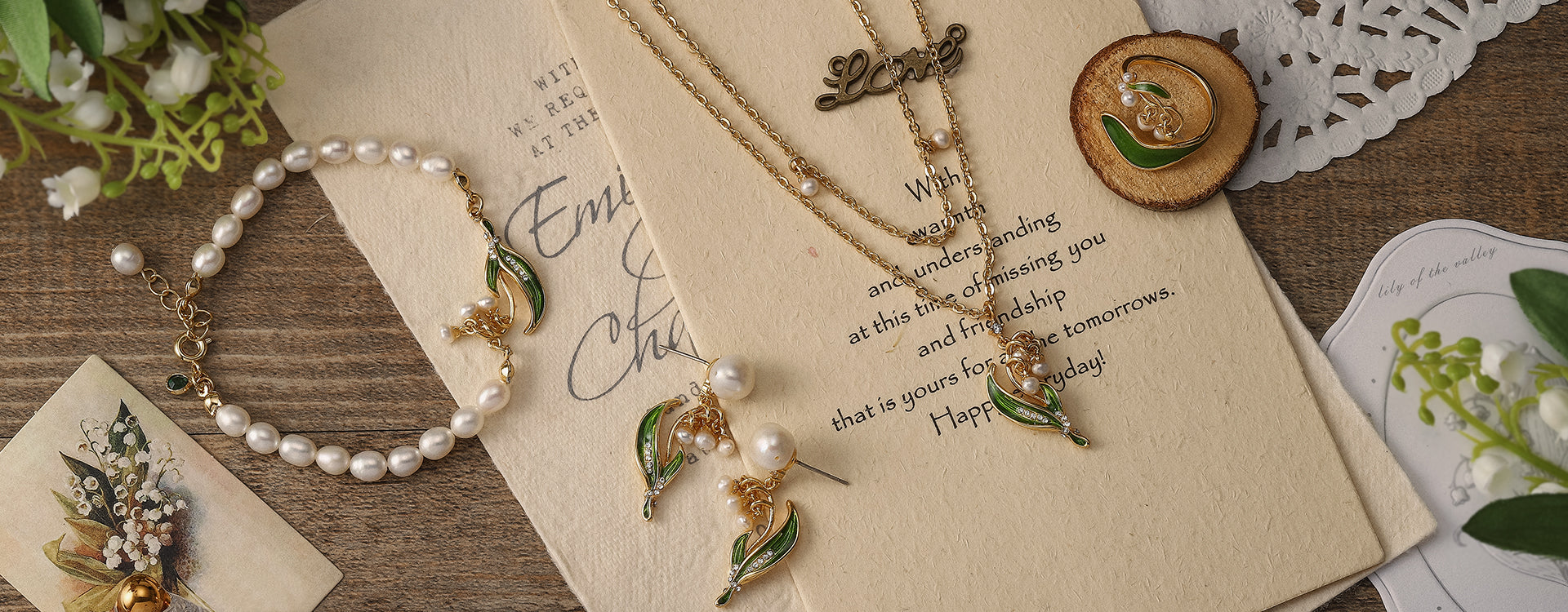
Organic shapes soften tailoring and bring interest to simple dresses. Explore flower necklaces and nature-inspired necklaces by considering both the motif and the space it occupies.
Pearl statement necklaces
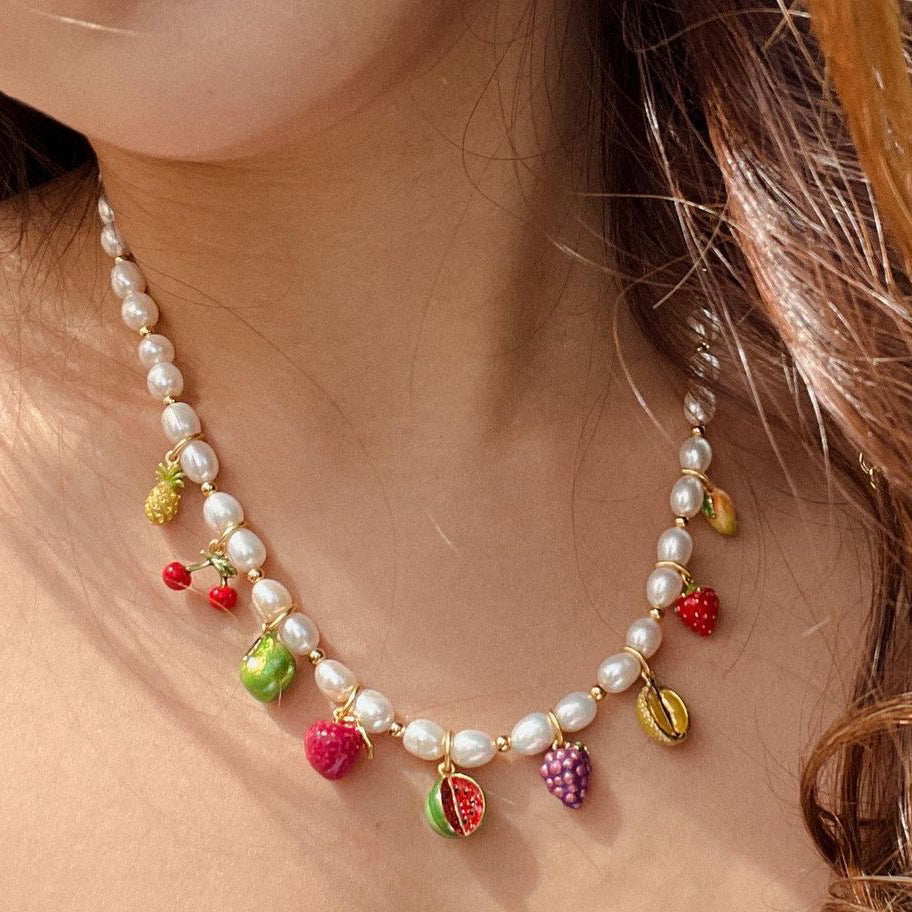
Modern pearl designs can be playful, asymmetrical, colorful, or mixed with charms. Style them with casual cotton and denim as readily as satin or eveningwear.
Sculptural and modern necklaces
Let unusual lines show against a simple backdrop. A square neckline, high neck, strapless dress, or clean blazer creates an architectural frame.

Common Statement Necklace Styling Mistakes
Landing on the neckline seam
Adjust the chain or choose another length so the necklace sits clearly on skin or fabric.
Too many competing focal points
If necklace, earrings, print, and neckline all feel equally loud, simplify one or two of them.
Ignoring proportion
Judge the necklace with the full outfit, not only in a close-up mirror. Scale should relate to the garment and your desired effect.
Choosing appearance over comfort
Test weight, clasp security, texture, and movement before committing to a long day or event.
Matching everything exactly
Coordination is more modern than perfect matching. Repeat one color, material, or shape and allow the rest to vary.
Treating styling rules as laws
Guidelines help create order, but personal style comes from knowing when a deliberate contrast feels better.
Statement Necklace FAQs
Can you wear a statement necklace every day?
Yes. Choose a comfortable weight and a length that stays in place, then use the necklace to elevate simple pieces you already wear. A tee, fine knit, button-down, or uncomplicated dress makes an easy everyday base.
Can you wear a statement necklace with a patterned dress?
Yes. Connect the necklace and print through one color or motif, while keeping their scale different. If the dress has a small print, a larger, clearly defined necklace often reads more cleanly than another tiny pattern.
What neckline looks best with a chunky statement necklace?
Scoop, strapless, off-shoulder, and simple crew necklines are reliable options because they create a clear frame. The best choice also depends on necklace length: keep the piece entirely inside the open neckline or fully over the fabric.
Can you wear a statement necklace with a V-neck?
Yes. A necklace with a tapered shape or central drop often echoes the V beautifully. Keep its lowest point separate from the neckline edge so the two lines do not collide.
Can you wear a statement necklace and big earrings together?
You can, but give the pieces visual separation. Try clean, streamlined earrings; pull hair away from the face; or repeat one material while varying scale. If both items are ornate and close together, the look may feel crowded.
How do you style a statement necklace for work?
Choose a comfortable, polished piece that sits neatly with a shirt, knit, or blazer. Keep other jewelry quieter, avoid parts that knock against a desk or make noise, and check that the necklace stays secure as you move.
Are statement necklaces still in style?
Statement necklaces remain a useful form of personal styling because “statement” describes visual impact, not one fixed trend. The shapes may evolve, but distinctive color, scale, texture, and craftsmanship can always give an outfit focus.
Make the Necklace the Point of View
Start with the necklace’s landing point, check how it relates to the neckline, and quiet any nearby detail that interrupts that relationship. When those elements form a clear order, the necklace looks like part of the outfit itself—not an accessory added at the last minute.
Leave a comment