



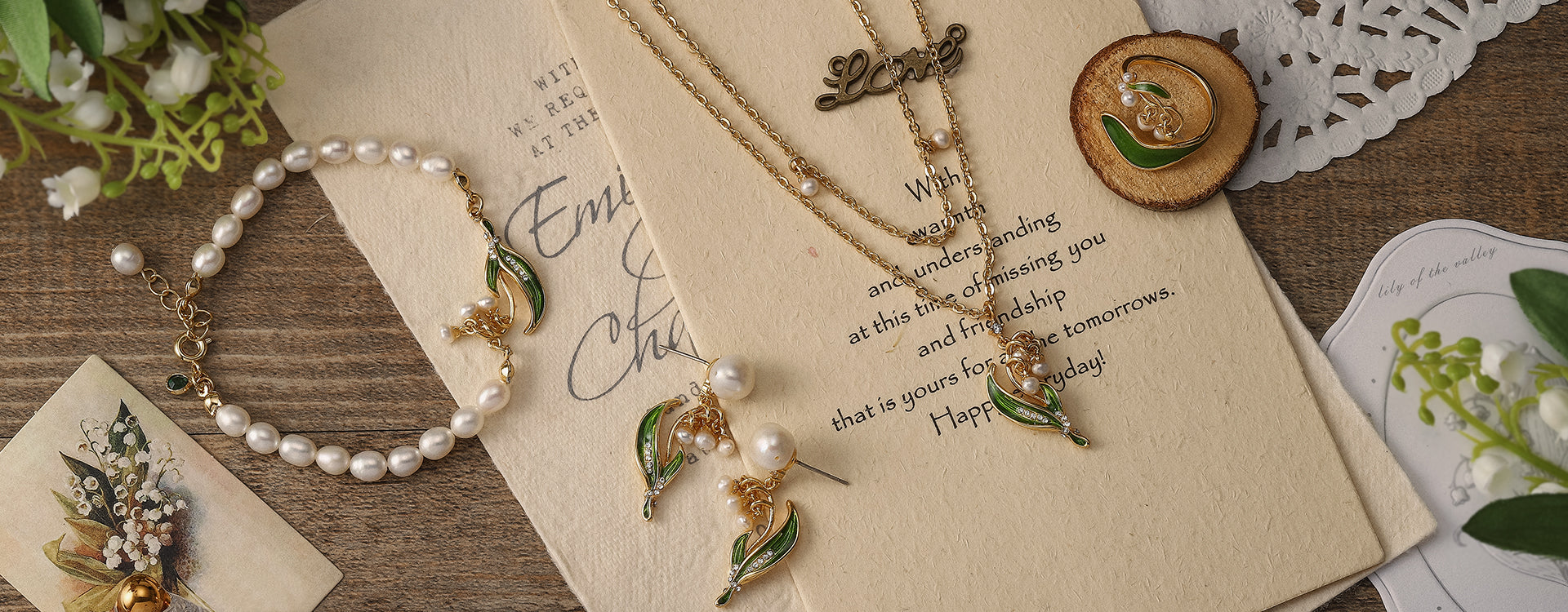


What Is Mother of Pearl?
Guide to Mother of Pearl Jewelry: Meaning, Pearl Differences, and Cost

MMother of pearl, with its soft iridescent glow, has long captivated designers and jewelry lovers alike. This natural marvel, found within the inner layers of mollusk shells, is not only a testament to the beauty of nature but also a timeless element in mother of pearl jewelry. From delicate earrings to elegant necklaces, mother of pearl adds a subtle shimmer that complements any style.Whether you are drawn to its smooth, luminous surface or curious about its history and meaning, exploring mother of pearl opens the door to a world of craftsmanship, culture, and natural elegance. In this guide, we will dive into the fascinating story of mother of pearl, its significance in jewelry, how it compares to pearls, and whether investing in mother of pearl jewelry is worth it.
What Is Mother of Pearl?
Mother of pearl, also known as nacre, is the lustrous inner layer found in the shells of certain mollusks, including oysters and abalones. It forms when these creatures secrete layers of calcium carbonate and organic compounds around the inner surface of their shells over time. The result is a smooth, iridescent material that reflects light in a soft, rainbow-like shimmer. This natural layering not only creates its signature glow but also gives mother of pearl remarkable strength and resilience despite its delicate appearance. Its subtle hues range from creamy whites and soft pinks to deep blacks and iridescent blues, making it a versatile and highly sought-after material for jewelry.
Mother of pearl is the perfect choice for summer jewelry, ocean-themed jewelry, and shell jewelry collections. It adds a soft, natural luster to any design, never goes out of style, and blends seamlessly with modern aesthetics.
History and Symbolism of Mother of Pearl
Mother of pearl has been admired for thousands of years, not only for its natural beauty but also for its symbolic and cultural significance. Ancient Egyptians used it in jewelry and decorative items, associating its iridescent glow with the moon and the ocean, symbols of purity and tranquility. In Asia, artisans in China and Korea perfected inlay techniques, embedding mother of pearl into furniture and ceremonial objects, celebrating its luminous charm.
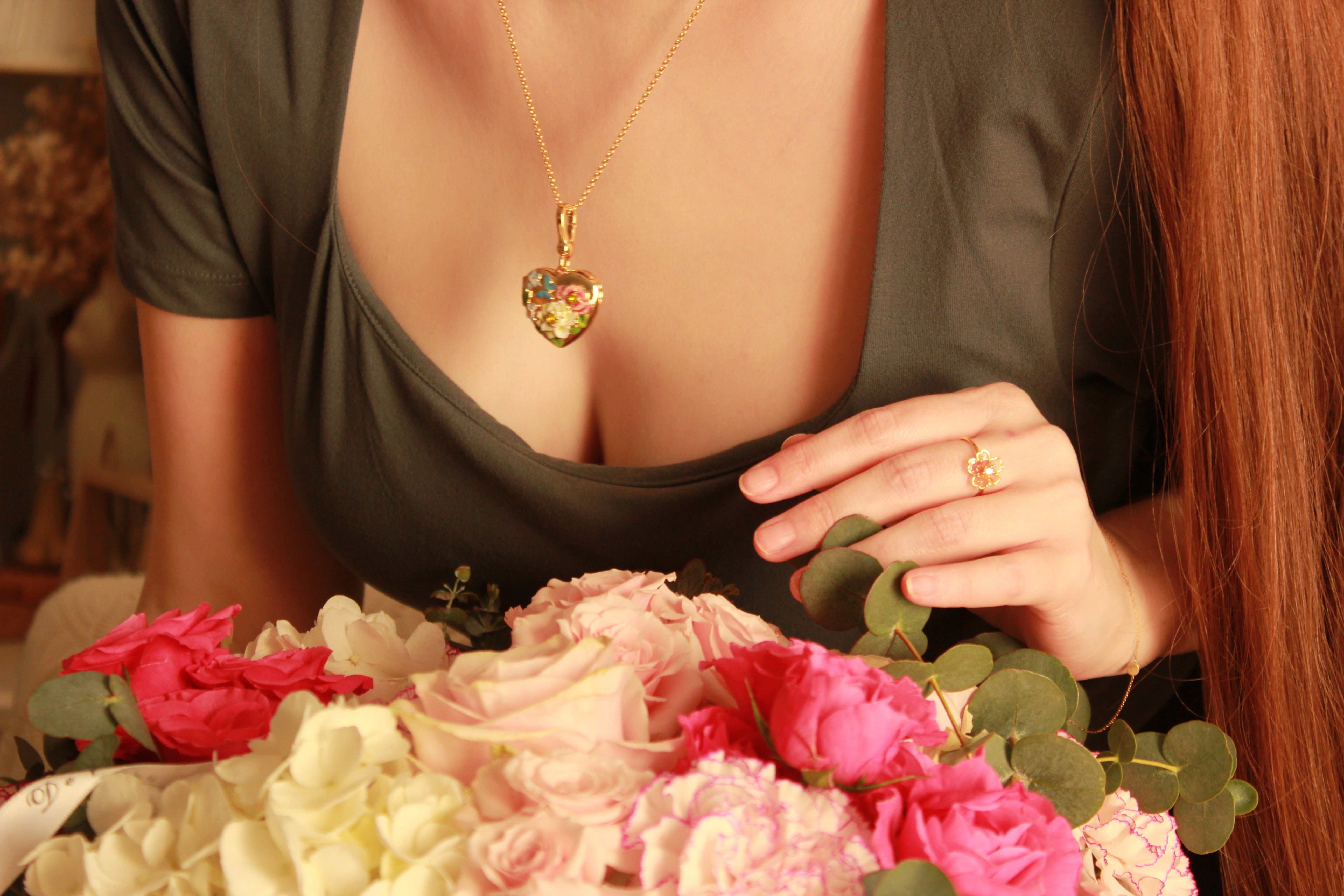
Throughout history, mother of pearl jewelry has been valued for both aesthetic and spiritual reasons. Many cultures believed it could bring protection, harmony, and emotional balance. During Europe’s Georgian and Victorian eras, mother of pearl appeared in brooches, lockets, and rings, blending natural beauty with craftsmanship.
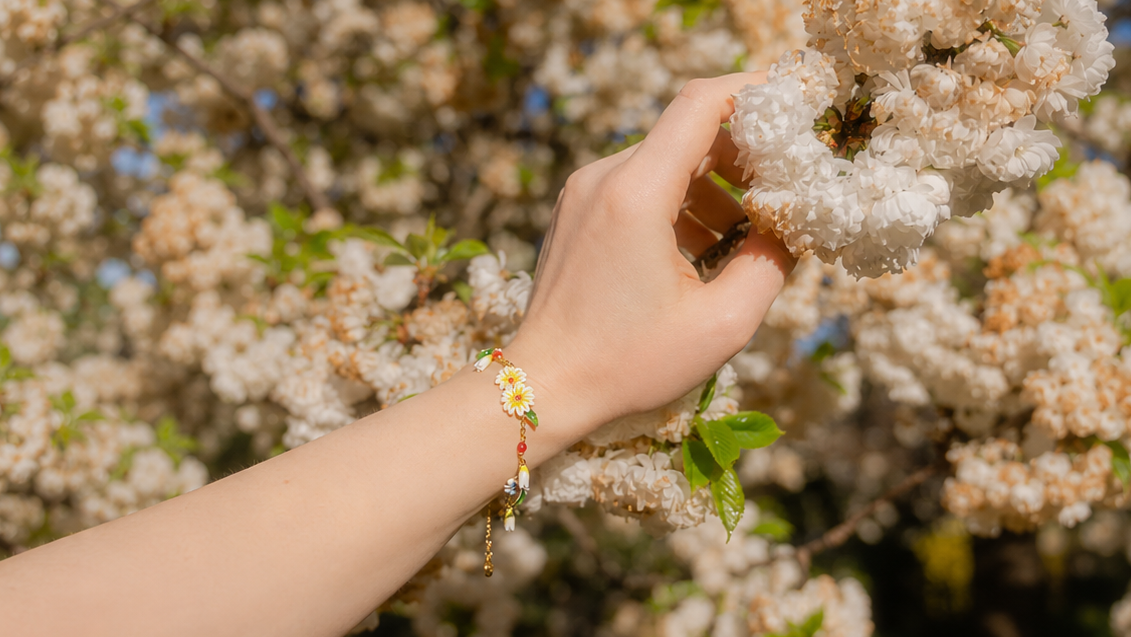
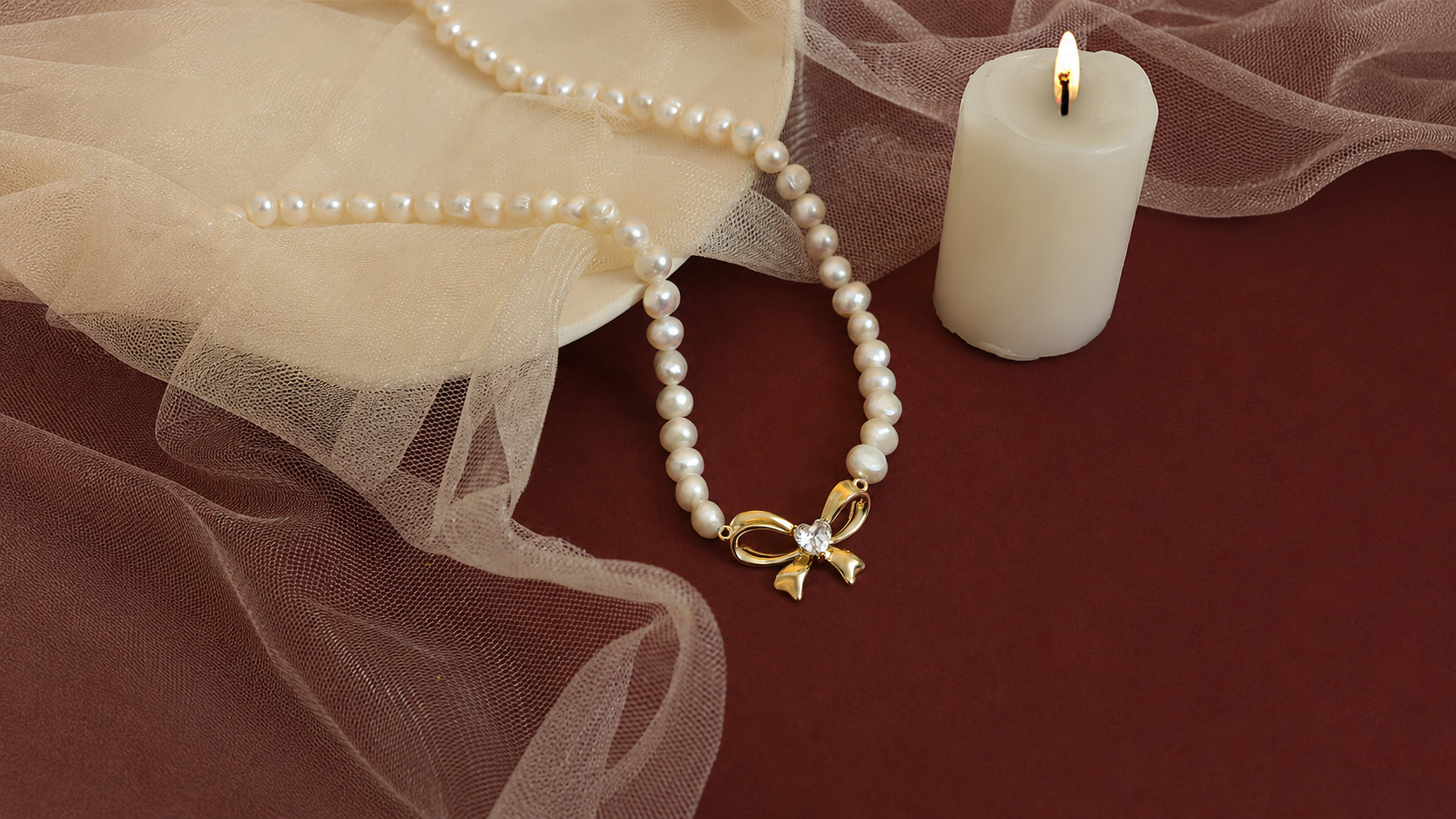
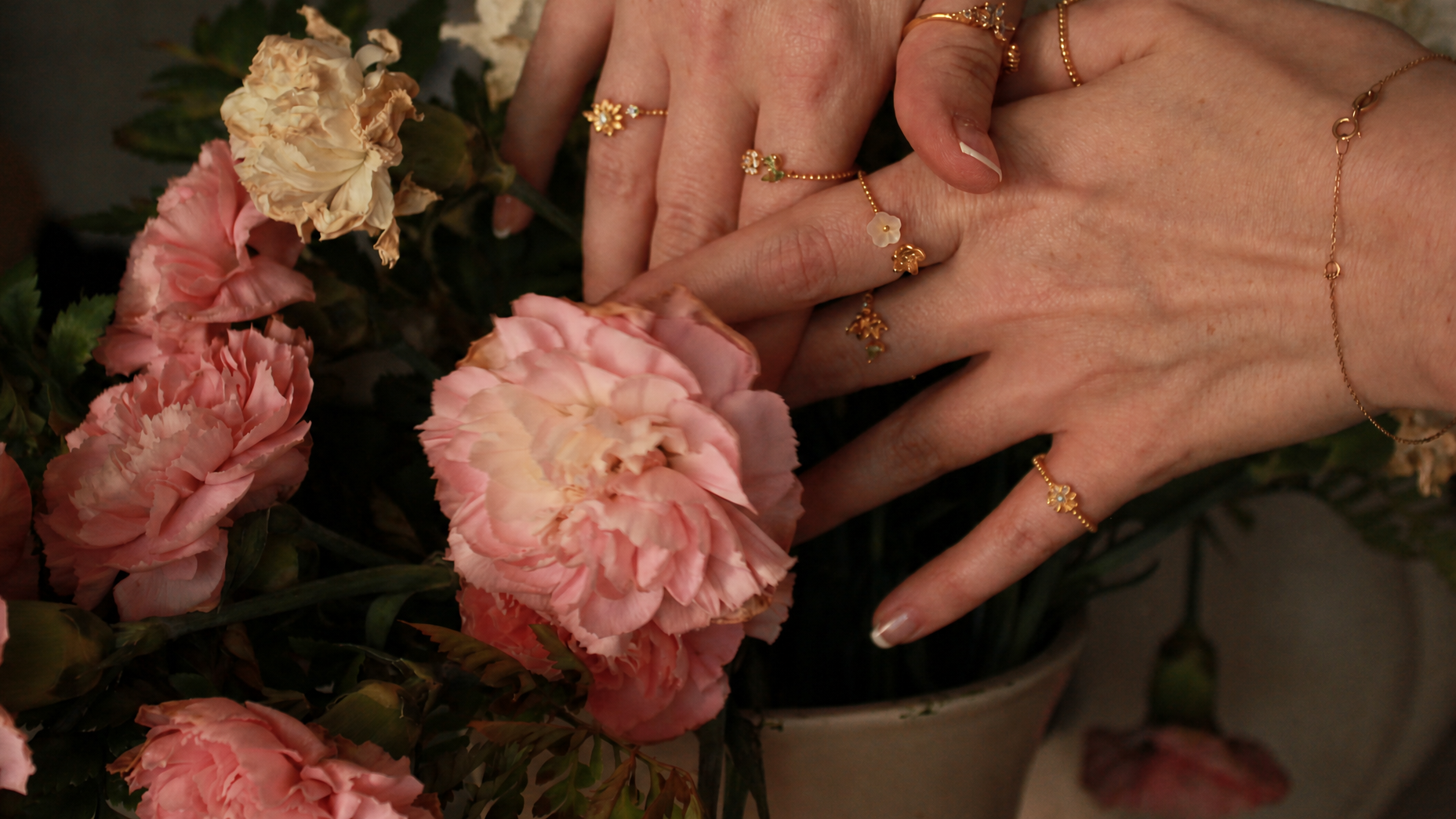
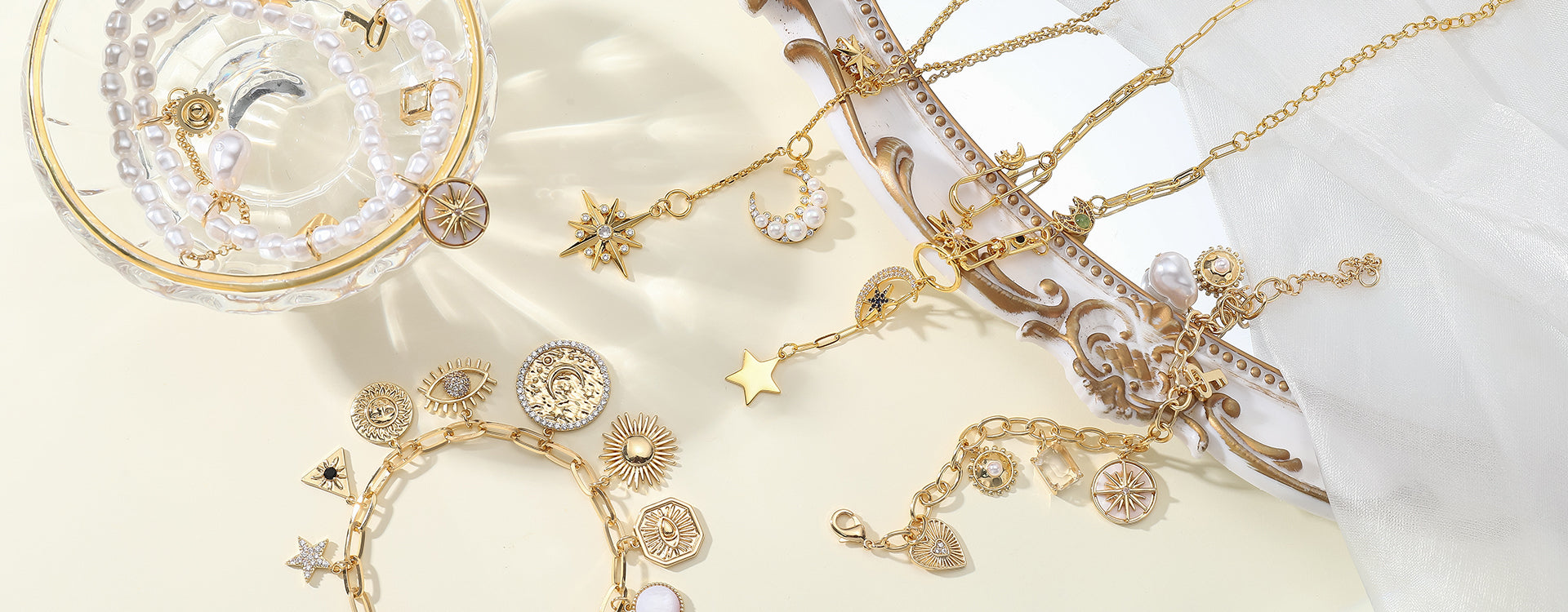
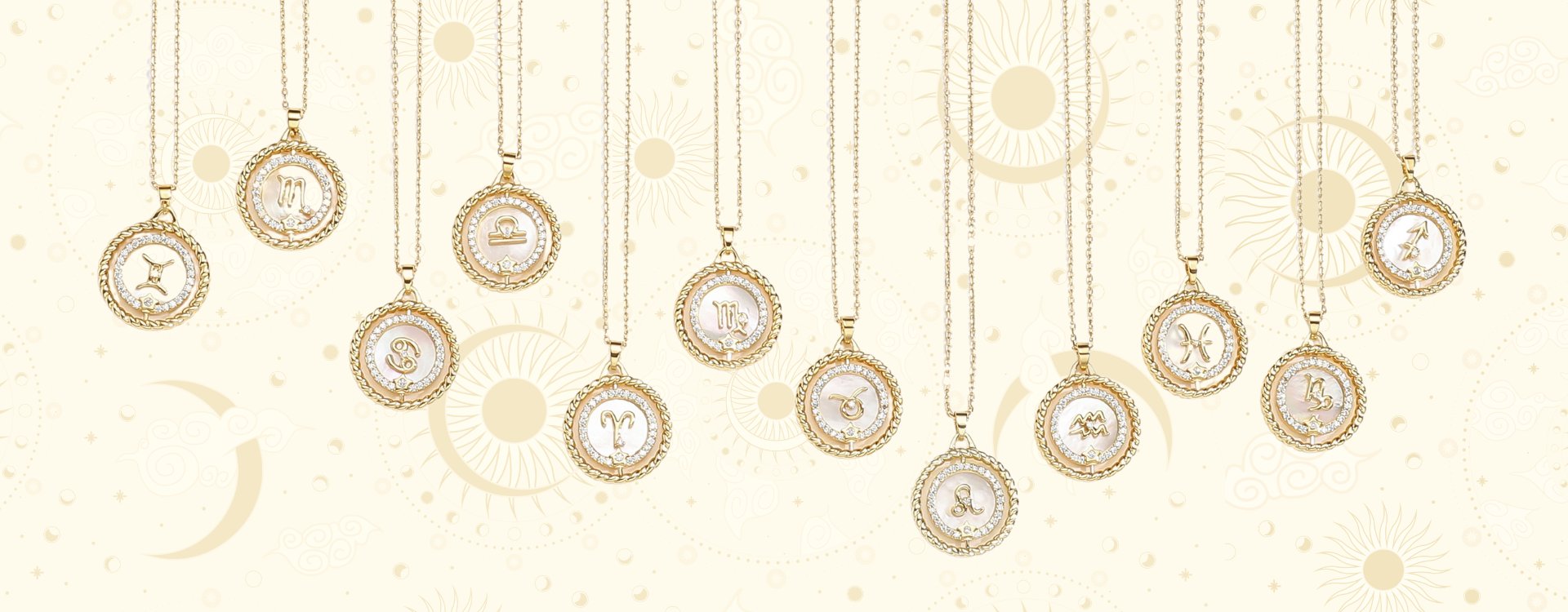
Today, mother of pearl necklaces, mother of pearl earrings, mother of pearl rings, and mother of pearl bracelets — including modern collections by brands like selenichast — continue to honor this legacy. Each piece reflects centuries of human creativity and a timeless connection to the sea.
Mother of Pearl vs Pearl
| Feature | Mother of Pearl | Pearl |
|---|---|---|
| Definition | Flat, iridescent inner lining of mollusk shells. Used in mother of pearl jewelry. | Rounded gemstone formed when nacre layers build around an irritant inside a mollusk. Used in pearl jewelry. |
| Formation | Develops as layers of nacre coat the inner shell surface over time, creating a smooth, colorful sheen. | Forms when a tiny irritant is coated in nacre inside a mollusk, building a solid, round gemstone. |
| Appearance | Flat or gently curved surface, iridescent with colors like white, pink, black, or rainbow-like hues. | Three-dimensional, often spherical or slightly irregular, with a deep, soft glow. |
| Jewelry Use | Used in pendants, bracelets, earrings, rings, and mother of pearl necklaces; allows carving and inlay designs. | Used in classic pearl necklaces, earrings, rings, and bracelets; prized for elegance and timeless style. |
| Value & Rarity | Abundant and more affordable; versatile for creative jewelry designs. | Rarer and often more expensive; prized as collectible and heirloom-quality gems. |
| Style | Modern, artistic, versatile; often seen in summer jewelry, ocean jewelry, shell jewelry. | Classic, sophisticated, and elegant; ideal for formal or timeless looks. |
When exploring ocean-inspired gemstones, Mother of Pearl vs Pearl is a common question. Though both come from mollusks and share a luminous glow, they differ in formation, appearance, and jewelry use.
Formation: Mother of Pearl is the flat, iridescent inner lining of a mollusk’s shell, created as layers of nacre coat the interior over time. Pearls form when a tiny irritant is coated with nacre inside a mollusk, gradually building a solid, rounded gemstone.
Appearance: Mother of pearl has a smooth, shimmering surface that can be flat or gently curved, displaying colors from creamy white and pink to deep black and iridescent rainbow hues. Pearls are three-dimensional, often spherical or slightly irregular, with a soft, deep glow.
Jewelry Use: Mother of pearl jewelry includes necklaces, earrings, rings, and bracelets, often carved, inlaid, or used in artistic designs. Pearl jewelry features classic necklaces, earrings, rings, and bracelets that emphasize the natural elegance of individual pearls.
Value & Rarity: Pearls are rarer and often more expensive, prized for heirloom-quality pieces. Mother of pearl is more abundant and affordable, allowing designers to create versatile and creative pieces.
Style: Mother of pearl lends itself to modern, artistic designs, often used in summer jewelry, ocean jewelry, and shell jewelry, while pearls are known for timeless sophistication and elegance.
Is Mother of Pearl Expensive?
A common question for jewelry lovers is “is mother of pearl expensive?” Compared to pearls, mother of pearl is generally more accessible and affordable. Every mollusk shell naturally has an inner layer of nacre, so high-quality mother of pearl is abundant and easier to source.
The price of mother of pearl jewelry depends on several factors. First, quality and color matter. The smoother and more iridescent the mother of pearl, the higher its value. Rare colors or perfectly uniform surfaces can make pieces more costly. Second, craftsmanship affects the price. Intricately carved or inlaid mother of pearl jewelry, such as pendants, bracelets, earrings, rings, and necklaces, requires skill and time, which can increase the price. Third, brand influences cost. Designer pieces from high-end brands like selenichast often command higher prices due to premium materials and craftsmanship.
Overall, mother of pearl jewelry offers a beautiful, luminous look at a relatively affordable price, allowing fashion-forward buyers to enjoy elegance without the premium cost of pearls. Whether in a mother of pearl necklace, mother of pearl earrings, or mother of pearl bracelet, this material brings the charm of the sea into your collection.
Uses of Mother of Pearl
Mother of pearl jewelry is highly versatile and can be crafted into a wide range of pieces. Popular jewelry types include rings, necklaces, earrings, and bracelets. Its natural iridescence pairs beautifully with different materials, such as 18K gold, 925 silver, enamel, and various gemstones.
Design styles are diverse. Some pieces feature round or shell-shaped mother of pearl, while others incorporate inlay or gemstone settings to enhance the shimmer. Contemporary trends lean toward minimalist designs, colorful combinations, and mixed gemstone arrangements, allowing mother of pearl to fit both classic and modern aesthetics.
When selecting mother of pearl jewelry, consider your personal style and the types of outfits you frequently wear. A mother of pearl necklace or earrings can bring a subtle elegance, while a statement ring or bracelet showcases creativity and artistic design. Choosing pieces that match your wardrobe and taste ensures the jewelry becomes a cherished part of your collection.
How to care Mother of Pearl
Proper care is essential to maintain the beauty of mother of pearl jewelry. Here are some tips:
1. Avoid chemicals: Keep your jewelry away from perfumes, hairsprays, and cleaning products, as chemicals can dull the nacre and damage the surface.
2. Store carefully: Store each piece separately in a soft pouch or lined jewelry box to prevent scratches.
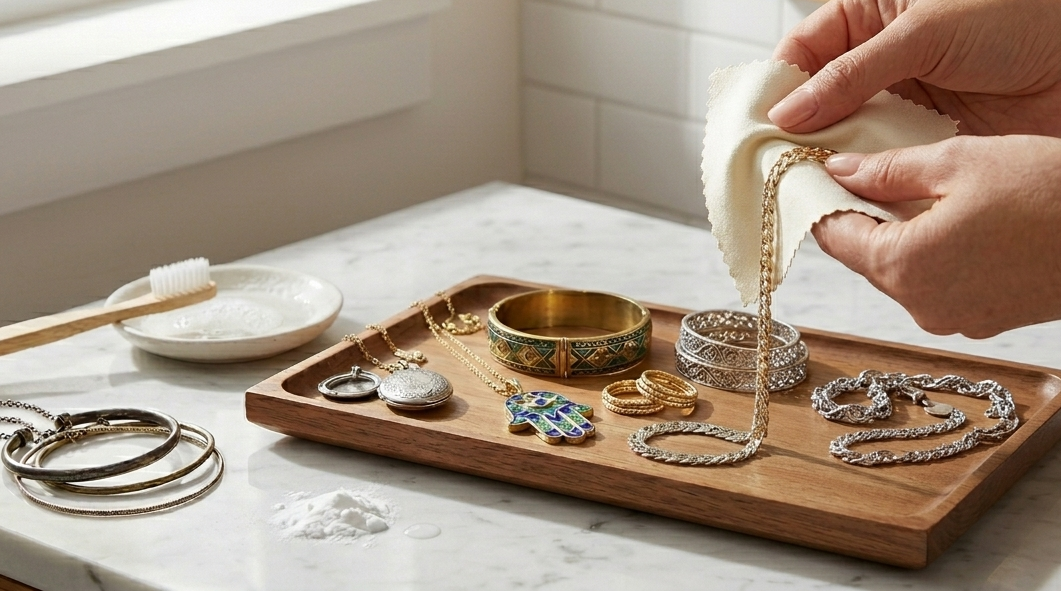
3. Clean gently: Use a soft, damp cloth to wipe your jewelry. Avoid ultrasonic cleaners or harsh brushes that could damage the delicate surface.
4. Limit exposure: Avoid prolonged exposure to direct sunlight, heat, or extreme humidity, which can affect the luster of mother of pearl.
5. Wear with care: Take off your jewelry during heavy activities or water-based tasks to prevent accidental damage.
With regular care, mother of pearl necklaces, earrings, rings, and bracelets will maintain their iridescent glow and remain a timeless addition to your collection.